
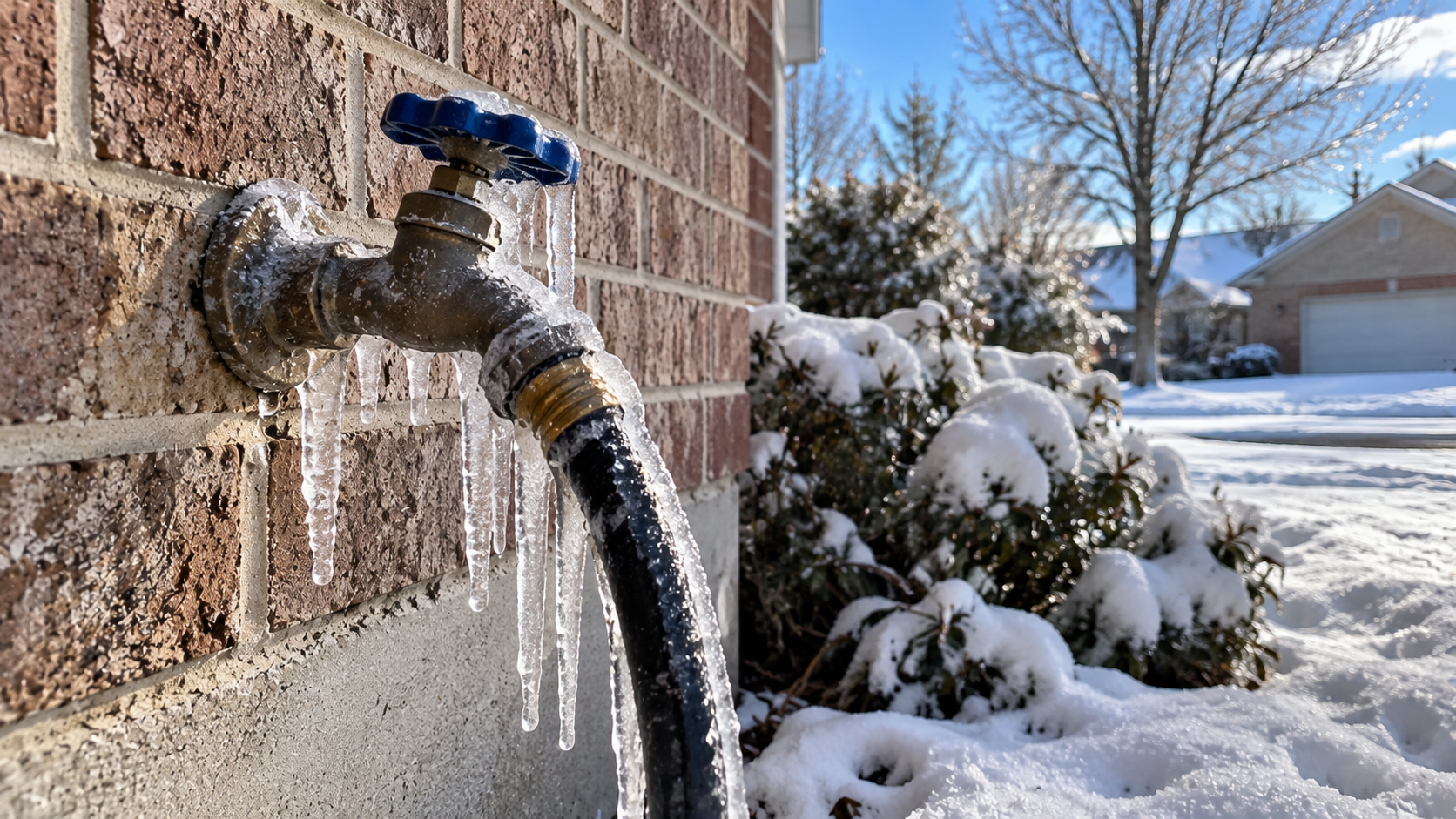
Frozen and Burst Pipes in Lexington: Prevention, Warning Signs, and What to Do First
October 13, 2026
Read more
Recurring clogs usually mean buildup snaking can't reach. Wildcat Leak Detection explains what's really happening and how to fix it for good.
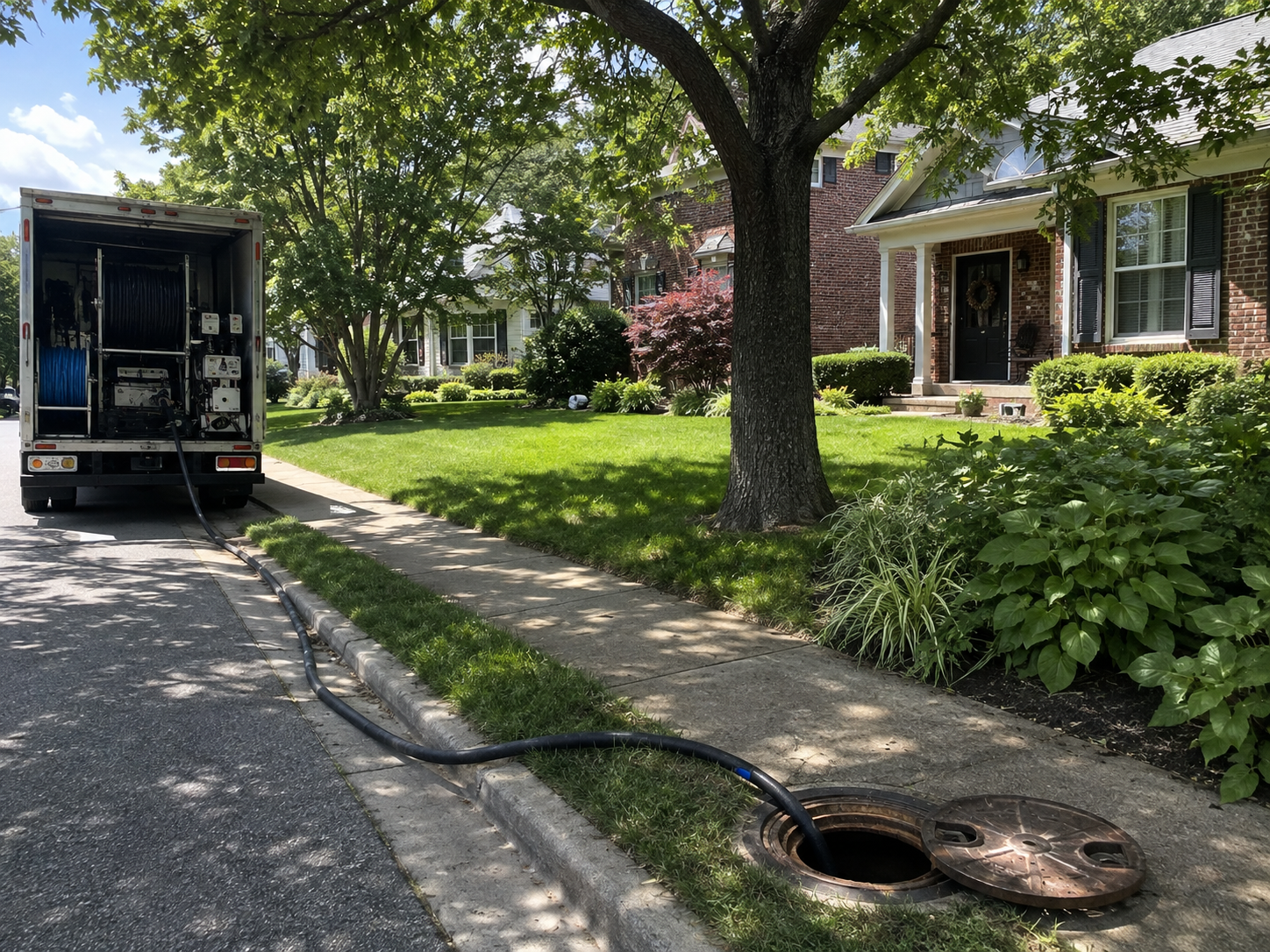
If you have snaked the same drain three times this year and it keeps backing up anyway, you are not imagining a pattern. That repeat clog is telling you something a plumber's snake cannot fix on its own. At Wildcat Leak Detection, we run into this constantly across Lexington, and it is usually the moment a homeowner first hears the term hydro jetting and wonders whether it applies to them.
Lexington has a lot of homes with mature trees and pipe systems that are decades old, and that combination creates exactly the kind of buildup that keeps drains clogging on a loop. Knowing when a simple snaking will do the job and when you need something stronger can save you from paying for the same fix over and over.
A drain snake is a good tool for what it is built to do, which is punch through a blockage and get water moving again. What it is not built to do is clean the inside of the pipe. Snaking pushes a hole through grease, scale, or root growth, but most of what caused the clog stays stuck to the pipe walls.
That leftover buildup narrows the pipe again almost immediately. Grease resolidifies. Roots keep growing back toward the same crack they found the first time. Within weeks or months, you are dealing with the exact same slow drain or backup, except now it has usually gotten a little worse.
This is the pattern we hear about most from homeowners in older Lexington neighborhoods. They call us after their second or third snaking in a year, frustrated that a fix that seemed to work never actually held.
Cast iron and clay pipe were standard in a lot of Lexington homes built before the 1980s, and both materials are more prone to certain problems than modern PVC. Cast iron corrodes internally over time, creating a rough surface that grease and debris grip onto easily. Clay pipe develops small joint gaps that tree roots are remarkably good at finding.
Once roots get into a line, they do not stop growing just because you clear a path through them. They keep expanding toward the moisture and nutrients inside the pipe, which is why root related clogs come back again and again if the roots themselves are never actually removed rather than just pushed aside.
Grease buildup tells a similar story, especially in homes where a lot of cooking happens or where a garbage disposal sees heavy use. Fat and oil coat the inside of a pipe, cool, and harden. A snake can break through the middle of that buildup, but the layer coating the walls stays right where it was.
This is the gap hydro jetting is designed to close. Rather than punching a path through a clog, it uses controlled high pressure water to scour the entire interior surface of the pipe, removing what is stuck to the walls instead of just the blockage sitting in the middle. That is the core difference between a temporary fix and an actual clean.
For homeowners dealing with recurring backups, foul odors coming from drains, or slow moving water that never fully resolves, that distinction matters a lot. A pipe that has been jetted is starting from a genuinely clean interior, not a slightly wider hole through the same buildup.
We do want to be clear that hydro jetting is not the right tool for every situation. Pipes that are already severely deteriorated or fractured can be damaged further by high pressure water, which is why an inspection before jetting matters. That is a judgment call best made by someone who has actually looked at the condition of your line, not guessed at it from symptoms alone.
Homeowners often do not think about their sewer line until something goes wrong at the surface, but there are patterns worth paying attention to before a full backup happens.
Any one of these on its own is not necessarily an emergency, but a combination of a few, especially recurring ones, usually means something more than surface level buildup is going on.
Kentucky winters bring freeze and thaw cycles that stress older clay and cast iron pipe joints, sometimes opening up small gaps that roots exploit come spring. Then summer rain and rapid tree growth accelerate root intrusion right as those gaps are most vulnerable. It is not unusual for us to see a jump in root related service calls through late spring and into summer for exactly this reason.
If your home has had root issues before, having a line cleaned proactively ahead of that seasonal growth spurt is often less disruptive and less expensive than waiting for a backup to force the issue.
A common assumption is that hydro jetting is only for businesses or severe commercial situations, like restaurants dealing with heavy grease. In reality, plenty of residential lines benefit from it, particularly older homes or ones with mature trees close to the sewer line. It is also common for homeowners to assume that because a drain is flowing normally right now, there is nothing to address, when a partially cleared line can still be carrying a significant amount of buildup that just has not caused a full stoppage yet.
The other misconception is thinking of hydro jetting as an aggressive last resort rather than a maintenance option. Used at the right time, it is often what prevents the emergency situation rather than what responds to one.
If a drain keeps clogging in the same spot within weeks of being snaked, or you are noticing gurgling sounds and sewer odors along with slow drains, that pattern usually points to buildup on the pipe walls that snaking alone cannot remove. A camera inspection can confirm what is actually going on before deciding.
It depends on the condition of the pipe. Cast iron and clay lines that are structurally sound generally handle hydro jetting well, but pipe that is already cracked or severely deteriorated can be damaged by high pressure water. This is why an inspection before jetting is important rather than assuming it is safe for every line.
There is no single answer for every property, but homes with a history of root intrusion, heavy grease buildup, or older cast iron and clay pipe often benefit from cleaning every one to two years. Homes without those risk factors may go much longer between services.
Yes, roots can regrow toward the same pipe joint over time if the underlying gap or crack that let them in is not repaired. Jetting clears existing root growth effectively, but a chronic root problem sometimes points to a repair need beyond cleaning alone.
In many cases it can clear a full backup effectively, since it removes the buildup causing the blockage rather than just pushing through it. Severe backups are usually addressed with an inspection first to rule out a structural issue like a collapsed section of pipe.
A lingering sewer odor with drains that still function is often a sign of buildup coating the interior of the pipe rather than a full blockage. This is one of the more common early indicators that a line could use a thorough cleaning before it turns into a slow or backed up drain.
A drain that clears and clogs again is not bad luck. It is usually a pipe that never got fully cleaned in the first place, whether that is grease coating the walls or roots that were pushed aside instead of removed. Knowing the difference between a quick fix and an actual solution is what keeps you from repeating the same service call every few months.
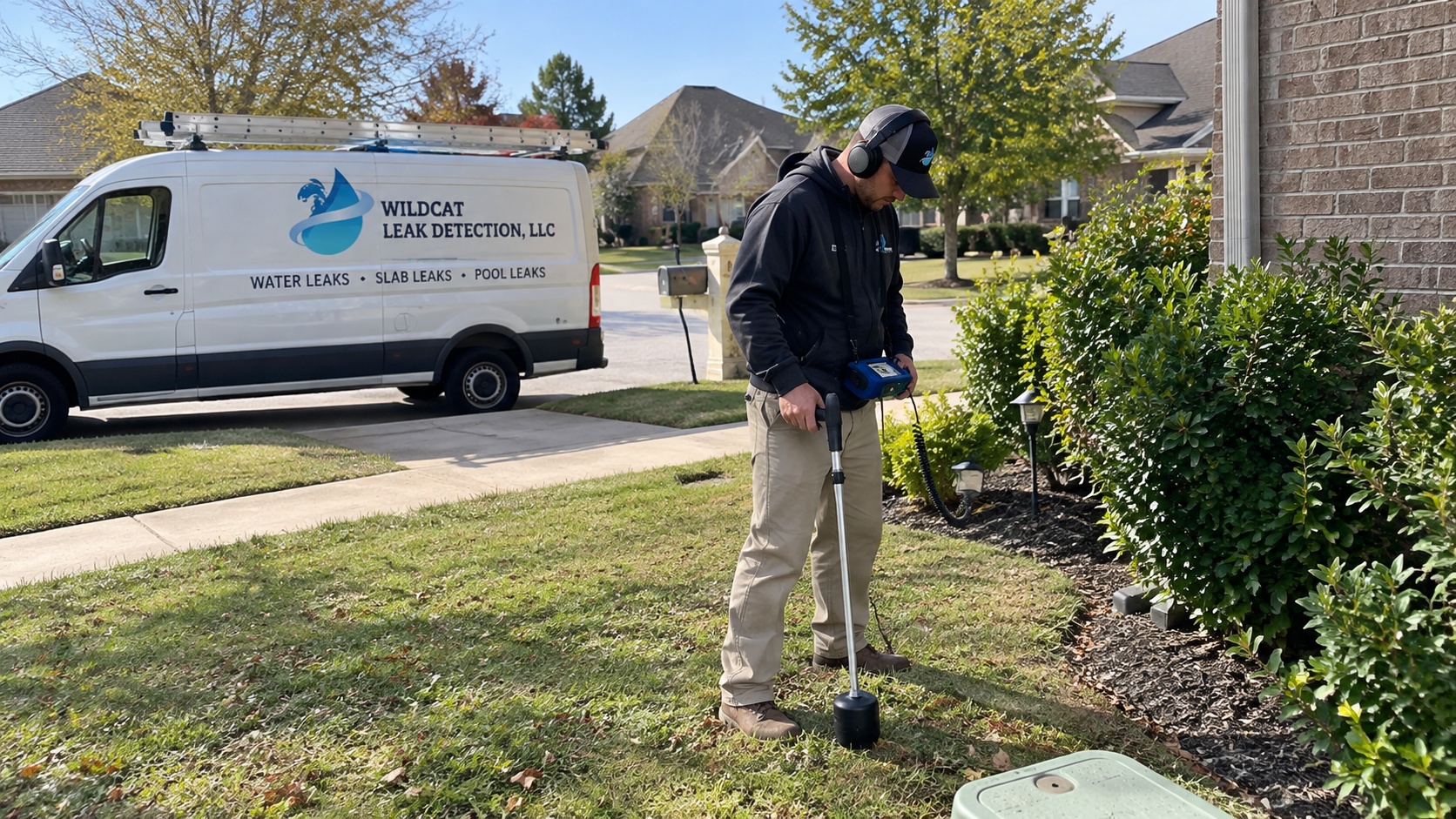
If your drains have been giving you the same trouble more than once, Wildcat Leak Detection is here to take a real look at what is going on inside your line. Reach out to schedule a consultation and let us help you get ahead of it before it turns into something bigger.