October 13, 2026

Frozen and Burst Pipes in Lexington: Prevention, Warning Signs, and What to Do First

How Lexington homeowners can prevent frozen pipes, spot the warning signs, and respond fast if a pipe bursts.
Frozen and Burst Pipes in Lexington: Prevention, Warning Signs, and What to Do First

Frozen pipes in Lexington, KY rarely give much warning. One night the forecast dips into the teens, and by morning a faucet only sputters. Then the thaw comes, and water starts showing up where it shouldn't.

At Wildcat Leak Detection, we help homeowners across Lexington and Central Kentucky find and fix the leaks that winter leaves behind. The best time to deal with frozen pipes is before the first hard freeze. The second best time is the moment you notice a problem.

This guide covers why pipes freeze in local homes, how to prevent it, and exactly what to do if one freezes or bursts.

Why Pipes Freeze in Lexington Homes

Kentucky winters swing between mild stretches and sudden cold snaps. That pattern catches homeowners off guard. A pipe that has been fine for weeks can freeze during a single bitter night.

Crawl Spaces and Exterior Walls

Many Central Kentucky homes sit over crawl spaces. Pipes running through an unheated crawl space are some of the most vulnerable in the house. Plumbing inside exterior walls, attics, and garages faces the same risk.

Outdoor Spigots and Hoses

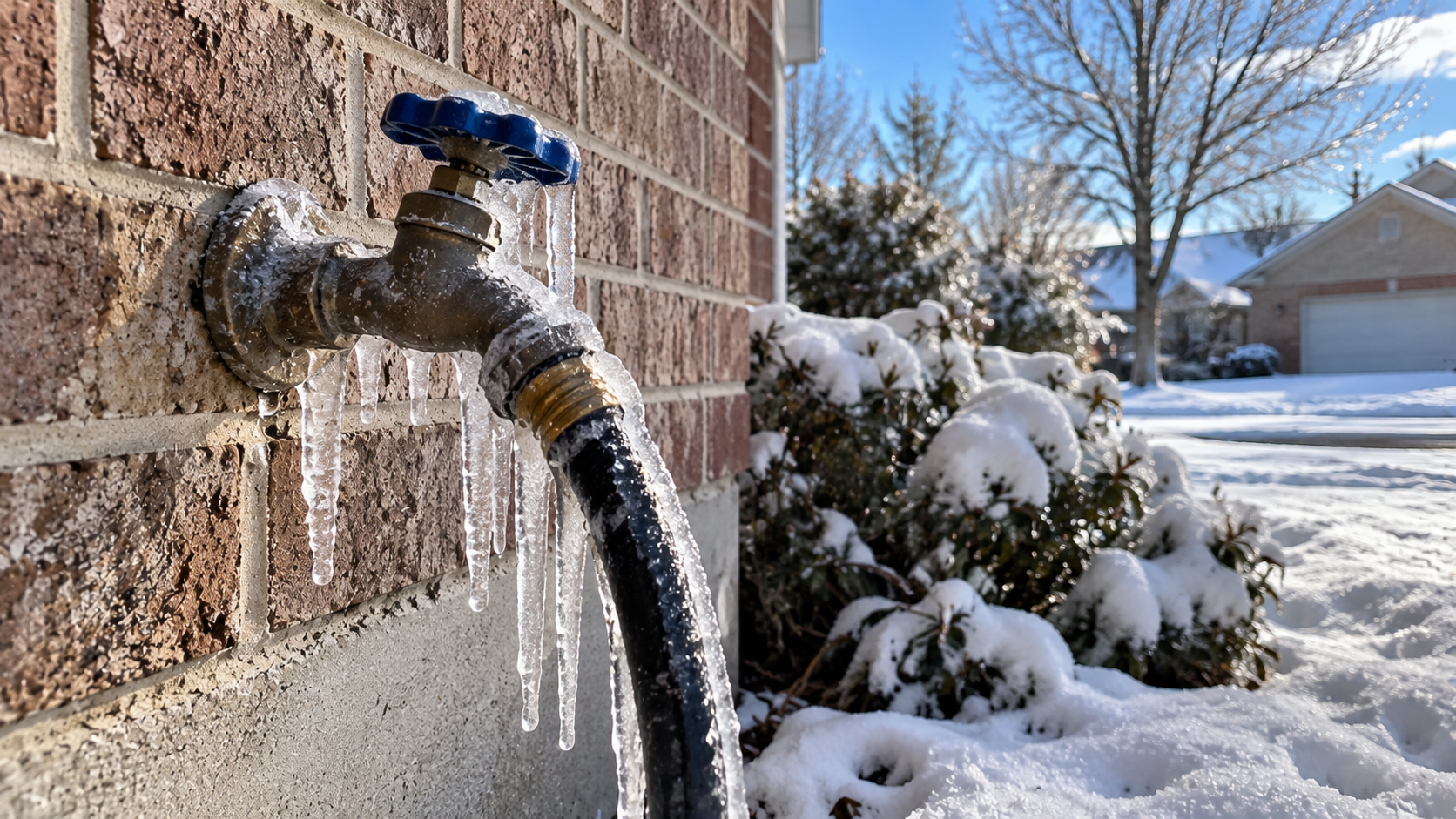
A garden hose left connected can trap water in the spigot. When that water freezes, it can split the pipe just inside the wall. The damage often stays hidden until someone turns the spigot on in spring.

Freeze and Thaw Cycles

Repeated freezing and thawing stresses pipes and fittings over time. As a result, a joint that survived one cold snap may fail during the next.

How to Prevent Frozen Pipes

Most frozen pipes are preventable with a little preparation. Work through these steps before the coldest weather arrives:

  • Disconnect garden hoses and drain outdoor spigots
  • Insulate exposed pipes in crawl spaces, garages, and attics
  • Seal drafts around pipes where they pass through exterior walls
  • Close crawl space vents during winter if your home has them
  • Open cabinet doors under sinks on exterior walls during cold snaps
  • Let a faucet drip on the coldest nights to keep water moving
  • Keep the heat on when you travel, rather than turning it off

Know Where Your Main Shutoff Is

This may be the single most useful step on the list. If a pipe bursts, shutting off the main water valve fast can prevent most of the damage. Find it now, make sure it turns, and show everyone in the household where it is.

Warning Signs a Pipe Has Frozen

A frozen pipe usually gives a few clues before it bursts. Catching them early gives you time to act.

  • Little or no water comes out when you open a faucet
  • Frost is visible on an exposed pipe
  • A section of pipe looks bulged or swollen
  • Unusual odors drift from a drain
  • Toilets refill slowly or not at all

Low water pressure on a frigid morning is the most common first sign. If only one fixture is affected, the frozen section is probably close to that fixture. However, if the whole house has low pressure, the problem may be near where the main line enters the home.

What to Do First if a Pipe Freezes or Bursts

Stay calm and move quickly. The order of these steps matters.

If the Pipe Is Frozen but Not Leaking

  1. Keep the faucet open so water can flow once the ice starts melting.
  2. Warm the pipe gently with a hair dryer, space heater, or warm towels.
  3. Start near the faucet and work back toward the frozen section.
  4. Never use an open flame, such as a torch, which can damage pipes and start a fire.

If the Pipe Has Burst

  1. Shut off the main water valve right away.
  2. Turn off power to any area where water is near outlets or electrical equipment.
  3. Move belongings out of the water's path and start drying the area.
  4. Take photos for your insurance company before cleanup goes too far.
  5. Call a professional to locate and repair the damaged section.

Some pipes crack while frozen but don't leak until they thaw. So even after water flows again, keep an eye out for drips, damp spots, or new stains over the next few days.

Hidden Leaks After a Freeze

Not every freeze leaves an obvious burst. Sometimes the damage hides inside a wall, under a floor, or deep in a crawl space.

Check Your Water Meter

Here is a simple test. Turn off every faucet and appliance that uses water, then look at your meter. If the meter keeps moving, water is escaping somewhere. Wait an hour and check again if the movement is too small to see right away.

Signs of a Hidden Leak

  • A water bill that jumps without explanation
  • Musty odors or new mold near walls or floors
  • Warped flooring or bubbling paint
  • The sound of running water when nothing is on

We see this every spring. A homeowner turns on an outdoor spigot for the first time, and water pours into the basement instead of the garden. The pipe cracked months earlier during a cold snap.

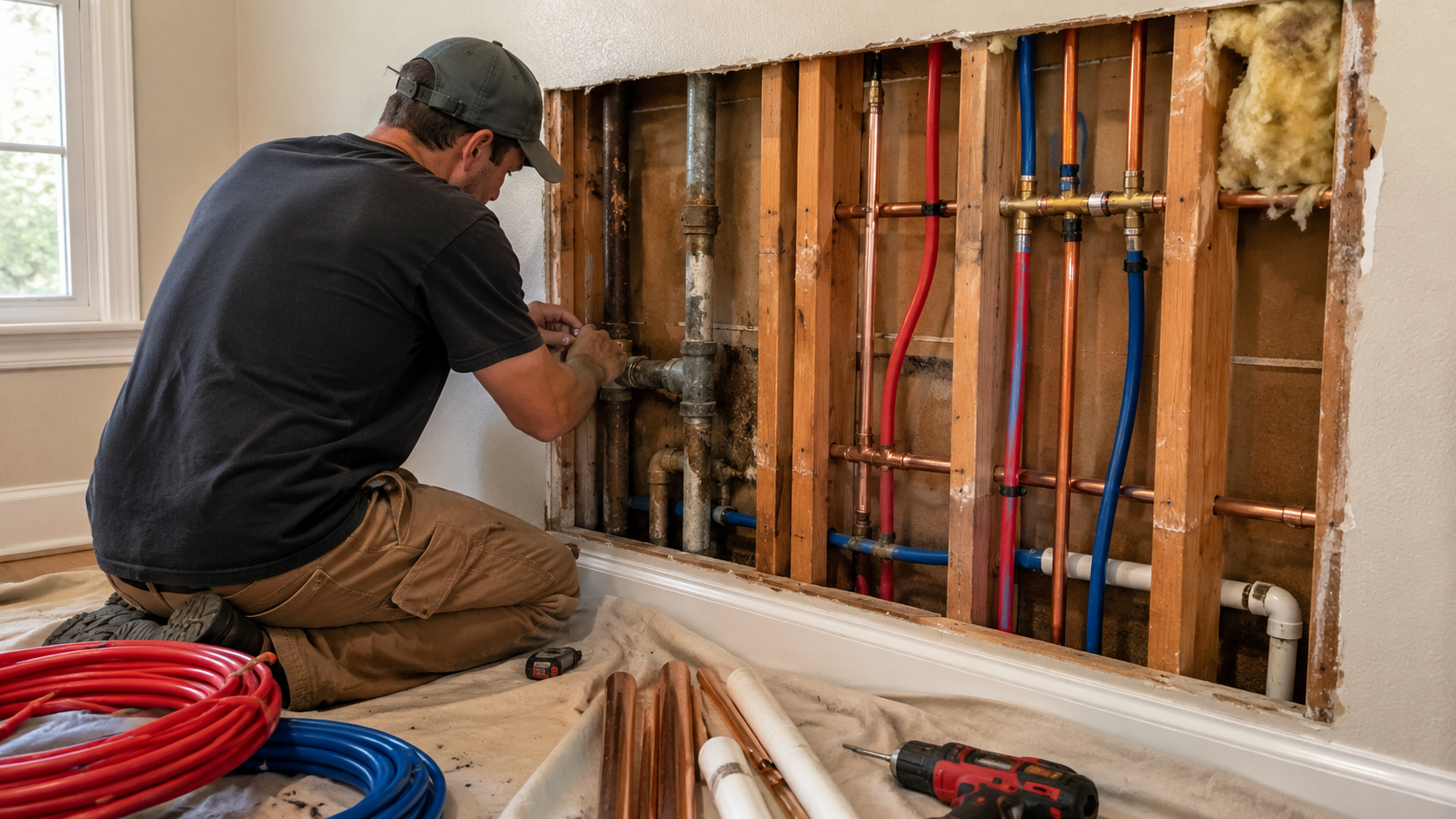
For leaks you can't see, Wildcat uses specialized leak detection equipment to pinpoint the source. That way, repairs target the exact spot instead of opening up walls by guesswork.

Frozen Pipes FAQ

At what temperature do pipes freeze?

There is no single number, since insulation and location matter. Pipes in unheated spaces like crawl spaces and garages face the highest risk during deep cold snaps. Many homeowners start taking precautions once nights drop into the low 20s.

Should I let my faucets drip during a freeze?

Yes, on the coldest nights. A slow drip keeps water moving and relieves pressure in the line. Focus on faucets connected to pipes along exterior walls.

How do I thaw a frozen pipe safely?

Open the faucet, then warm the pipe gently with a hair dryer, space heater, or warm towels. Start near the faucet and work backward. Never use an open flame.

Can a pipe leak after it thaws?

Yes. A pipe can crack while frozen and only start leaking once the ice melts. Watch for drips, damp spots, and unexplained increases in your water bill.

Which areas does Wildcat Leak Detection serve?

Wildcat Leak Detection serves Lexington and surrounding Central Kentucky communities, including Georgetown and Frankfort. Contact the team to confirm service for your address.

Book a Leak Detection Consultation

Winter in Lexington will bring a few hard freezes. A little preparation now, plus fast action if something goes wrong, keeps a frozen pipe from becoming a flooded crawl space. When a leak hides after the thaw, finding it quickly limits the damage.

Wildcat Leak Detection helps homeowners across Lexington locate and repair leaks caused by frozen and burst pipes. Book a consultation today, and let our team track down the source before it spreads.
‍

{ "@context": "https://schema.org", "@graph": [ { "@type": "Article", "headline": "Frozen and Burst Pipes in Lexington: Prevention, Warning Signs, and What to Do First", "description": "Frozen pipes in Lexington, KY can burst fast. Wildcat Leak Detection explains prevention, warning signs, and first steps. Book a consultation.", "author": { "@type": "Organization", "name": "Wildcat Leak Detection", "url": "https://www.wildcatleakdetection.com/" }, "publisher": { "@type": "Organization", "name": "Wildcat Leak Detection", "url": "https://www.wildcatleakdetection.com/" }, "datePublished": "2026-10-13", "mainEntityOfPage": "https://www.wildcatleakdetection.com/blog/frozen-and-burst-pipes-in-lexington-prevention-warning-signs-and-what-to-do-first" }, { "@type": "FAQPage", "mainEntity": [ { "@type": "Question", "name": "At what temperature do pipes freeze?", "acceptedAnswer": { "@type": "Answer", "text": "There is no single number, since insulation and location matter. Pipes in unheated spaces like crawl spaces and garages face the highest risk during deep cold snaps. Many homeowners start taking precautions once nights drop into the low 20s." } }, { "@type": "Question", "name": "Should I let my faucets drip during a freeze?", "acceptedAnswer": { "@type": "Answer", "text": "Yes, on the coldest nights. A slow drip keeps water moving and relieves pressure in the line. Focus on faucets connected to pipes along exterior walls." } }, { "@type": "Question", "name": "How do I thaw a frozen pipe safely?", "acceptedAnswer": { "@type": "Answer", "text": "Open the faucet, then warm the pipe gently with a hair dryer, space heater, or warm towels. Start near the faucet and work backward. Never use an open flame." } }, { "@type": "Question", "name": "Can a pipe leak after it thaws?", "acceptedAnswer": { "@type": "Answer", "text": "Yes. A pipe can crack while frozen and only start leaking once the ice melts. Watch for drips, damp spots, and unexplained increases in your water bill." } }, { "@type": "Question", "name": "Which areas does Wildcat Leak Detection serve?", "acceptedAnswer": { "@type": "Answer", "text": "Wildcat Leak Detection serves Lexington and surrounding Central Kentucky communities, including Georgetown and Frankfort. Contact the team to confirm service for your address." } } ] } ] }
Any questions? Call Us